 ދިވެހި
If we were to dissect various organizations to find the singular key to their success, we would quickly hit a wall. There is no identical culture or ethical blueprint that applies across the board. From world-class tech giants and elite football clubs to century-old family businesses, every organization differs because their operations and markets are distinct.
However, over decades of observing management trends—from business school to the modern corporate world—I have realized that while the 'methods' differ, the 'intent' behind successful cultures is fascinating.
Here is a look at how my understanding of organizational culture has evolved through three pivotal management philosophies.
1. The Era of the "Maverick"
In the mid-90s, while I was in management school, one of our key reading materials was 'Maverick' by Ricardo Semler. It detailed the story of Semco, a Brazilian company that was, quite literally, the world's most unusual workplace.
Semler’s notion of culture was radical. He didn't believe in written processes or dress codes. Perhaps most shockingly, hiring wasn't done by Human Resources; it was done by the department that had the need, and even department heads were selected by their subordinates.
At the time, having only a basic understanding of management, I found this incredibly strange. I was curious but skeptical. After years of reflection, I finally understood the core lesson of Semco: "Alignment." That specific environment wasn't for everyone. It required a specific type of employee to thrive in that chaos. For those who couldn't align with that level of autonomy, there was high turnover. The lesson? A culture is only as strong as the people who believe in it.
2. Good to Great: The Discipline of Leadership
In the early 2000s, during a training program, I was introduced to Jim Collins’ seminal work, 'Good to Great'. Collins researched what separated merely good companies from truly great ones.
Unlike the radical freedom of Semco, Collins found that successful organizations maintain a balance. Their processes are neither too hard nor too soft. Key findings included:
- Leadership: Success requires humble, disciplined leaders, not just charismatic celebrities.
- First, Who, Then What: The company must put in a massive effort to build the "right team."
- Open Dialogue: Great organizations encourage debate and place no restrictions on expressing ideas.
The takeaway here was that discipline and freedom are not mutually exclusive—they are partners.
3. No Rules Rules: The Netflix Revolution
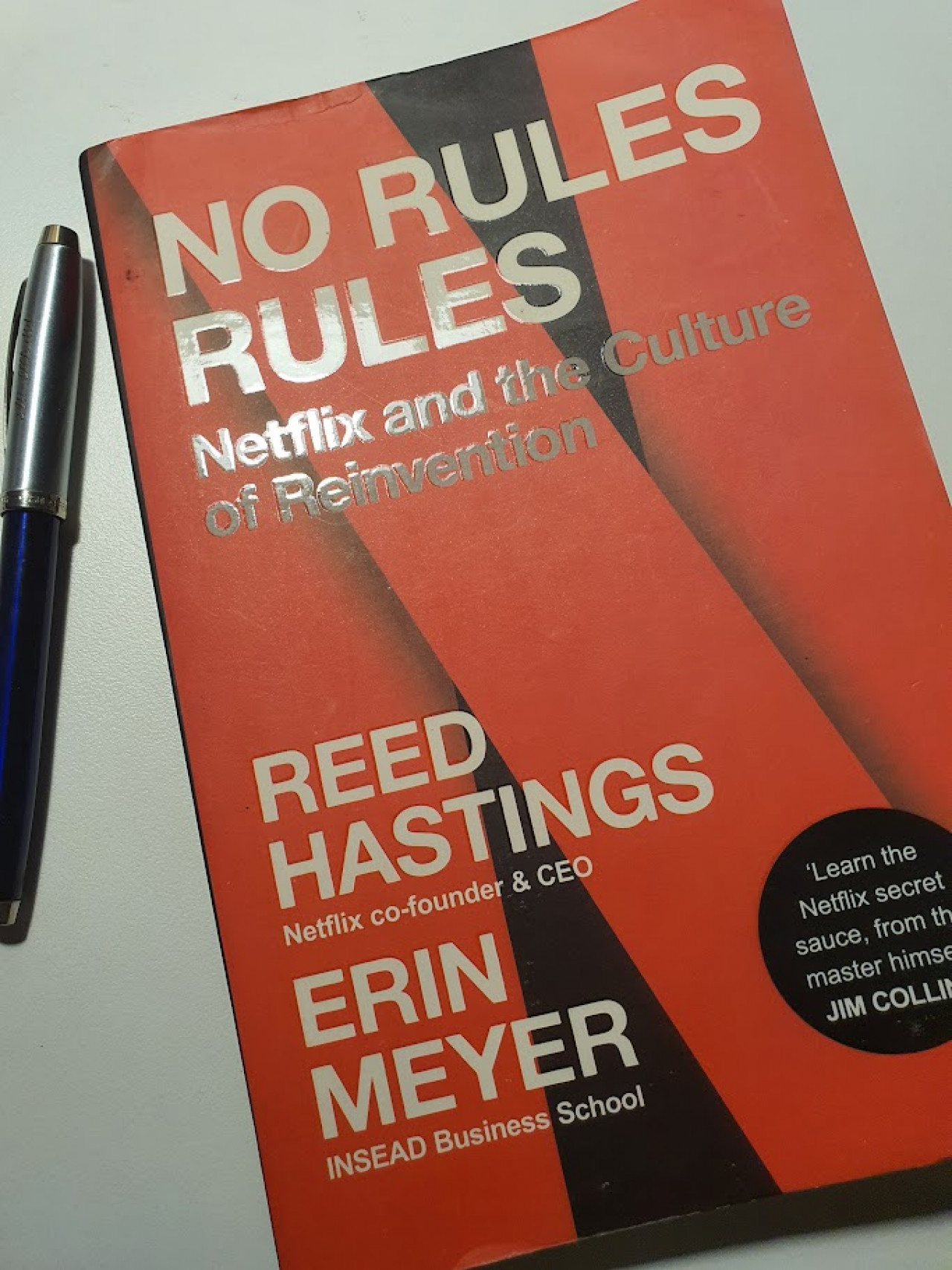
Most recently, I came across 'No Rules Rules' by Reed Hastings and Erin Meyer. For anyone curious about modern management, this is a must-read.
Netflix didn’t lay down a static 'modus operandi' when it started. Its culture was crafted and evolved to suit excellence. A few aspects of their culture are particularly intriguing:
- The "Sour Apple" Effect: When Netflix hit a rough patch and had to lay off staff, they realized something counter-intuitive: the remaining staff performed better. They discovered that one adequate or negative person (a "sour apple") could pull down the performance of the entire group. When you remove them, the remaining talent density motivates the whole team. I could relate this vividly to places I have worked in the past.
- Radical Responsibility: At Netflix, approval hierarchies are dismantled. A person 4 levels down can make decisions on spending or travel without seeking a signature. If you feel Business Class is necessary for you to be fresh for an early meeting, you take it.
- The Catch: This freedom comes with a terrifying level of accountability. If an audit reveals you spent lavishly without the company’s best interest at heart, you are fired.
- Context, Not Control: Pay is negotiable and market-based, and holidays are unlimited. You simply inform your department head when you are leaving.
Despite the high pay and freedom, Netflix is not an "easy" environment. It has turnover because high performance is mandatory.
The Verdict: Culture is Malleable
Reflecting on Semco, Collins, and Netflix, I am confident of one thing: Organizational culture can be molded.
It is not a static set of rules written at a company's inception. It is a living thing. However, to shift culture effectively, you often need to replace people. You must be willing to reinvent the organization in a short period by bringing in people who are exposed to modern management, possess strong qualifications, and—most importantly—align with the vision you are trying to build.