 ދިވެހި
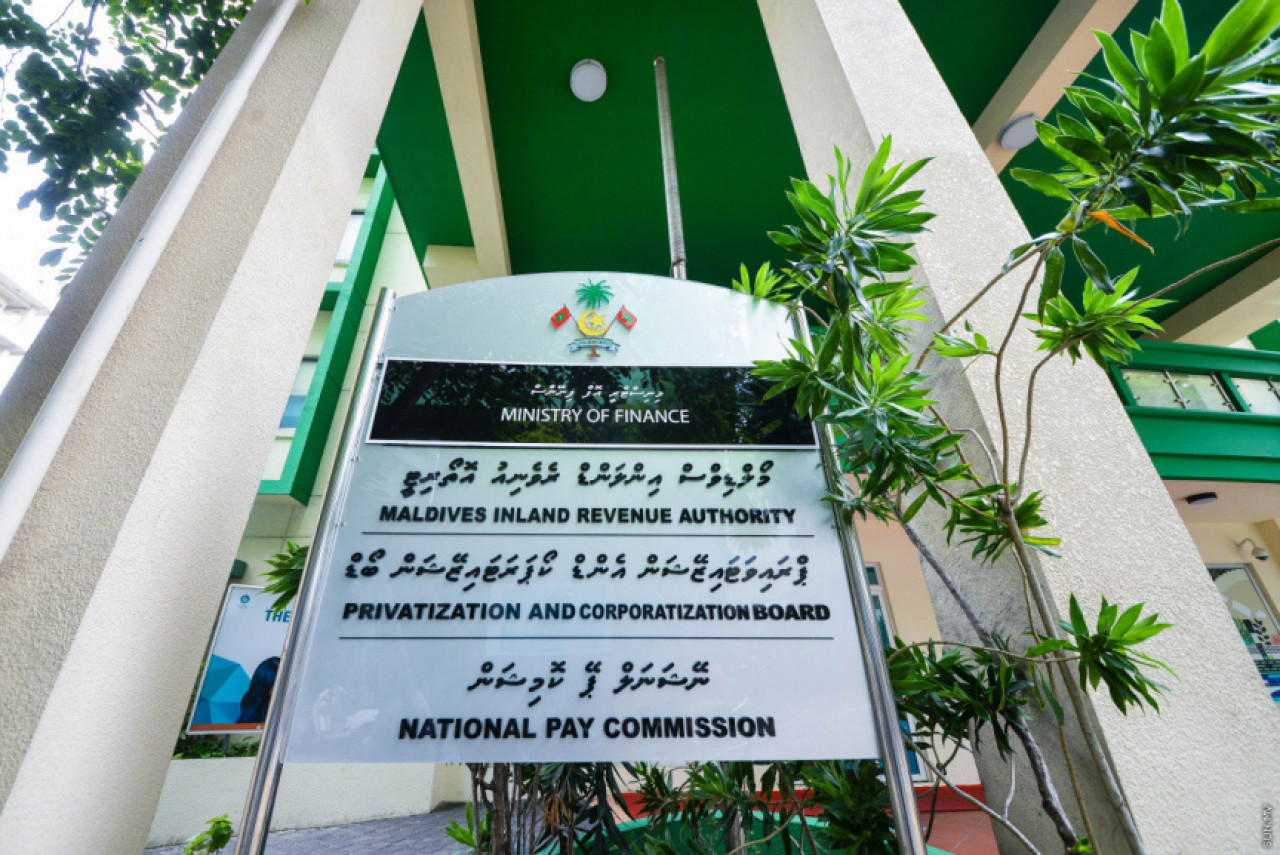
If you read the latest press release from the Ministry of Finance regarding Moody’s Investors Service, you might be forgiven for thinking the Maldives has turned a massive economic corner. The government has framed the recent rating action—specifically the shift in outlook from "Negative" to "Stable"—as a validation of their economic policies and a triumph of resilience.
But if we strip away the bureaucratic optimism and look at the cold, hard data, a very different picture emerges. The celebration isn't just premature; it is masking a deepening crisis.
The Reality of "Caa2": We Are Still in the Danger Zone
The headline the government wants you to focus on is the "Stable" outlook. The headline you should focus on is the rating itself: Caa2.
For those unfamiliar with financial jargon, let’s be clear about what a Caa2 rating actually represents in the global financial markets:
Junk Status: This falls deep into "speculative grade" territory. It is not investment grade.
High Default Risk: A Caa2 rating indicates a country is of "poor quality" and carries "very high credit risk." It signals to the world that there is a significant likelihood the Maldives will default or fail to meet its financial obligations.
The Bottom of the Barrel: We are rated just a notch above Caa3, which is essentially the waiting room for default. When a country is rated Caa2, it is not "resilient." It is on life support. Celebrating this rating is akin to a patient celebrating that their fever has stabilized at 104 degrees—it might not be getting higher right this second, but the patient is still critically ill.
The Illusion of "Improved Position"
The government claims this rating action reflects an "improved external sector position." But how was this improvement achieved? It wasn't through generating new wealth, increasing substantial exports, or structurally fixing the economy.
It was achieved by kicking the can down the road.
The administration has managed to delay maturing loans from India and China. While avoiding immediate bankruptcy is a positive short-term step, it is not a solution. It is a deferment.
The Hidden Costs: We have been given no transparency regarding the terms of these deferments. How long is the delay? What are the interest implications?
Compound Woes: By pushing these payments back without a clear repayment strategy, we are likely compounding our debt burden, creating a massive financial wall that future generations will have to climb. This is an interim arrangement to delay financial woes, not a strategic victory.
Burning the Furniture to Keep Warm
Perhaps the most worrying aspect of this situation is the disconnect between the government's financial precariousness and its spending habits.
At a time when the country is effectively begging for loan extensions, one would expect rigorous austerity measures. Instead, we are witnessing a perplexing spending spree:
Political Appointees: The number of political appointees continues to rise, unnecessarily inflating the wage bill.
Operational Costs: There seems to be no effort to reduce the government's day-to-day operational costs.
White Elephant Projects: The administration continues to invest in projects that offer no immediate financial benefit or short-term Return on Investment (ROI). It is daylight robbery of the treasury to award over 200 projects without any bidding process. This is seen as an attempt to ensure loyalty to secure the government from falling.
The government is buying time with foreign creditors while wasting resources at home. They are treating a reprieve as a permanent license to spend.
The Verdict: A Refusal to Understand?
The current situation suggests one of two things: either the government does not understand the gravity of a Caa2 rating, or they are willfully refusing to acknowledge it.
There is no visible strategic solution in implementation. There is no structural reform to widen the tax base, cut waste, or diversify the economy beyond tourism in a meaningful way. There is only the delaying of debt and the spinning of narratives.
Moody's "Stable" outlook simply means we aren't crashing today. But without a drastic change in fiscal policy, a reduction in political spending, and a transparent strategy for debt repayment, we are merely stabilizing our position at the edge of a cliff.
It is time to stop celebrating "junk" status and start doing the hard work of actual economic repair.